Walk into any aesthetic clinic today and you’ll hear requests that would have baffled injectors 15 years ago: keep my smile lines soft but not wiped, lift my left brow more than the right, prevent forehead heaviness, keep natural facial movement for close-up video calls. Botox has not changed its core mechanism, but everything around it has. The way we plan, dose, and stage treatments has shifted from erasing lines to calibrating expression. The result is a very different experience than the early days, both in how you look and how you feel about it.
From blanket paralysis to calibrated expression
The early Botox era prioritized wrinkle erasure. Many protocols relied on a handful of standard points across the glabella and forehead, with doses aimed at full relaxation of target muscles. It worked, but it also produced tight foreheads, dropped brows, and the “frozen” look that became a cultural punchline. We were learning, and we were blunt instruments.
Now we talk about injection mapping and muscular vectors as if we’re plotting a flight path. Modern botox techniques use individualized dosing per point, superficial versus deep placement to modulate diffusion, and a “less first, refine later” mindset. Instead of blocking movement, the goal is to redistribute it. For example, a patient who frowns asymmetrically might benefit from small units along the dominant corrugator and a micro-dose to the depressor supercilii on one side, sparing the frontalis until we see how the brow behaves. This muscle-by-muscle negotiation is how you get subtle botox results without deadening the face.
The shift reflects better anatomy education. Injectors train with cadaver labs, ultrasound guidance in some centers, and coursework focused on facial muscle groups explained in functional terms, not just names. They look at how your frontalis pairs with your brow depressors, how your orbicularis oculi carries tension into crow’s feet and cheeks, and how the DAO can drag the corner of the mouth if left overactive. The product is the same protein. The orchestration is different.
Expectations vs reality: what smart planning looks like
Patients still arrive with screenshots of filtered foreheads and ask for overnight change. The reality of Botox is gentler. There is a settling period: effects begin around day 3 to 5, build through day 10 to 14, and hit peak results around two weeks. Some muscle groups respond faster than others. Heavier brows, for instance, may feel strange for a week as your frontalis relaxes before the depressors meet them halfway. When you understand this arc, “uneven” day-4 results are no longer a crisis.
A typical modern plan includes a low dose botox approach at the first session, a scheduled follow up visit at two weeks for a refinement session, and careful observation of expression. This mapped refinement reduces the risk of forehead heaviness, helps avoid the frozen look, and lets the injector correct micro-asymmetries that are often invisible at rest but obvious in speech or laughter.
Customization by face shape and muscle behavior
Two people with equal horizontal lines can require very different strategies. A long forehead with high hairline needs conservative frontalis dosing to preserve eyebrow support. A short forehead, especially in someone who speaks with lifted brows, might need more lateral points to prevent “Spock brow” later. Patients with strong brow depressors benefit from targeting the corrugators and procerus first, postponing aggressive frontalis work until we see if a natural lift appears.
" width="560" height="315" style="border: none;" allowfullscreen="" >
Eyebrow asymmetry is common. Botox for uneven eyebrows is not about symmetrical dosing, it is about balancing opposing forces. If the left corrugator is dominant, fewer units on the left frontalis and a touch more to the left corrugator can even the line of the brow without flattening the right side. For those who unconsciously frown during concentration, micro-doses around the glabella can soften harsh expressions while keeping a full range of predictable emotion in the upper face.
I keep notes on habitual moves: the patient who raises one brow during conversation, the teacher who squints to read the back row, the runner who clenches their jaw in the last mile. These habits inform injection mapping just as much as static anatomy.
Dosing strategy and intervals: gentler, smarter, and staged
Dosing has trended lower for first sessions, then adjusted. The old high dose botox risks included flat affect or lid heaviness in sensitive anatomies. We now start with the smallest amount that changes the pattern, then add units where needed at the two-week check. This protects expressiveness and reduces the chance of unwanted changes in smile balance or speech nuance.
Spacing between treatments has also matured. The typical botox interval recommendations remain around 3 to 4 months for cosmetic areas, but not every face needs the same schedule. Strong frowners may return closer to 10 to 12 weeks, while someone with lighter muscle activity can stretch to 4 to 5 months. There is no performance bonus for rushing. Regular, moderate dosing is kinder to facial dynamics than cyclical overcorrection.
Safety myths, tolerance myths, and what long-term data actually says
The safety profile of onabotulinumtoxinA has decades of data across both cosmetic and therapeutic uses, from blepharospasm to chronic migraine. Botox long term safety data supports repeated use in recommended ranges. The botox tolerance myth often springs from two scenarios. The first is simple: returning when the effect has nearly worn off gives the perception that it is “not working like before,” when in reality the dose was always the same and the muscles fully recovered. The second involves antibody formation, which is rare at cosmetic dosing but possible with very frequent high-dose exposure. When we keep intervals appropriate and avoid unnecessary booster cycles, botox resistance explained by neutralizing antibodies remains an outlier.
Another persistent worry is migration. The botox migration myth confuses diffusion with drifting product. The molecule does not travel across your face days later. Diffusion occurs only within millimeters from the injection site, especially when placed correctly and at the right depth. Most “migration” stories come from treating the wrong point, injecting too superficially in a mobile zone, or misreading how a muscle recruits neighboring fibers.
Is Botox worth it now?
Worth depends on goals. If your aim is a glassy, motionless forehead at all times, Botox can do that, but most people today want natural facial movement with softer lines. Compared to the early era, the cost-to-benefit ratio is better because results are more precise and less likely to create new problems like eyebrow asymmetry or mouth pull. The confidence benefits for many patients are not about looking different, but about losing the tired or tense cues their face sends. That subtle change reads as well-rested, not “done.”
On the flip side, botox pros and cons still exist. Pros: quick appointments, predictable onset, and reversibility over time. Cons: Warren botox options maintenance visits, transient bruising risks, and a learning curve to find your personal dosing sweet spot. For someone who expects permanent change from one session, botox expectations vs reality can disappoint. For someone willing to finesse results over a couple of visits, it often hits the mark.
Psychological and social dimensions that rarely get discussed
Patients describe botox confidence benefits in small, practical terms. One attorney told me she no longer worried that her resting frown made clients think she disapproved. A new parent said softening her angry 11s helped at work video calls after sleepless nights. These are botox psychological effects you can’t measure in millimeters. They relate to self image effects and social perception more than to line depth.
There is still a botox stigma explained by the ghost of the frozen face era. Transparent conversations help. When people see colleagues who move naturally and emote normally, the stigma softens. Overuse can still raise eyebrows. The antidote is restraint and honesty about limits.
Treatment mapping: how injectors think through the face
A clean technique starts with a facial anatomy guide and live testing. We map at rest and in animation. Where does the brow sit when you speak, not just when you try to raise it on command? Which lines persist after relaxation and which are only dynamic? We choose depths and volumes accordingly. For the upper face, we look at the glabella complex, frontalis, and lateral orbicularis. For lower face uses, we consider the DAO, mentalis, masseter, and platysma bands in the neck. Each of these muscle groups responds differently to dosing, and they interact.
Full face approach planning is deliberate. Reducing DAO pull can lift the mouth corners, but an over-relaxed DAO without balancing the zygomatic muscles can make smiles look toothy or strained. Masseter work for clenching has functional benefits, but treating both sides the same may not make sense if one side is the dominant chewer. Neck bands treatment can refine jawline definition slightly, but it is not a substitute for skin laxity solutions. The injector skill importance shows up here: the same 20 units can deliver elegance or awkwardness depending on placement.
Avoiding the “frozen” look and forehead heaviness
Two mistakes cause most frozen faces: overdosing small foreheads and treating the frontalis uniformly. The frontalis is not a single sheet with equal pull. Its lateral fibers often contribute more to eyebrow lift. By sparing lateral points and focusing centrally, you maintain lift while softening central lines. Similarly, respecting the interplay with the brow depressors avoids forehead heaviness. If the brows are already low and the lids a bit heavy, a better plan may start with the glabella and lateral eyes, leaving the frontalis nearly untouched on the first pass.
Short-term tightness can also feel like heaviness. Patients frequently describe a “hat band” sensation in the first week. This usually fades as neighboring muscles settle. Setting expectations on timing prevents unnecessary worry.
Uneven results, why they happen, and how we correct them
Even skilled treatments can look uneven at day 5. The right corrugator may metabolize slower than the left, or swelling on one side can mask early effects. The first step is patience until day 10 to 14. If a true asymmetry remains, botox correction strategies include spotting the overactive side and micro-dosing to match it, or occasionally allowing a stronger side to wear down naturally. For eyebrow asymmetry correction, precision is key. One or two units can change the brow line. A heavy-handed fix often creates a new problem.
Causes of unevenness vary. Preexisting asymmetry, scar tissue, prior filler placement, or unreported neuromodulator use can all influence outcomes. Careful intake and photos help the injector adjust next time.
Bruising, swelling, and what aftercare really matters
Most bruises come from clipping a vessel, not from the product. Good technique helps, as does holding pressure and using a fine needle or cannula in selected areas. Bruising prevention also benefits from timing medications. If you can, pause nonessential blood thinners like fish oil and high-dose vitamin E for a week beforehand, with your physician’s permission. Ice before and after can reduce swelling.
Aftercare mistakes are common. Rubbing or massaging treated areas can push product superficially, not migrate it across the face, but enough to affect a small zone. Things to avoid after botox include hot yoga or sauna for the first day, vigorous facial massage, and sleeping face down the first night. Makeup after botox is fine after a few hours if applied gently with clean tools. Skincare after botox can resume that evening, skipping strong peels for a couple of days. Facials after botox timing is better at the one-week mark. If you’re planning chemical peels or microneedling, space them, or do the peel first and botox after the skin has calmed. Combination treatments are powerful, but sequencing prevents surprises.
Therapeutic uses and crossover benefits
Aesthetic patients often discover functional gains. People with stress related clenching see facial tension relief when we treat the masseters. Some find headaches reduce, even if not true migraine patients. For those with diagnosed chronic migraine, Botox has therapeutic applications with a very different map and dose pattern than cosmetic work. Understanding which category you fall into matters. Cosmetic dosing to crow’s feet won’t treat a neurologist’s migraine protocol, and vice versa, but the idea that botox speech effects or chewing changes are inevitable is a myth when dosing is tailored and chewing muscles are respected.
Planning around life: seasons and special events
Treatment timing is practical. How soon botox shows results and when it peaks define scheduling. If you have a wedding or major event, book two to three weeks before, not three days prior. That gives you time for the settling period, the peak results timing, and a refinement session if needed. Seasonal timing can help as well. In summer, where sweating and sun can aggravate redness, plan for lighter social downtime. In winter, hats can press on freshly treated forehead points, so adjust that first night’s sleeping position to avoid direct compression.
Realistic longevity and the “does it stop working?” question
Can botox stop working? For the vast majority who stay within standard doses and intervals, no. The perception of reduced effect usually ties to changing facial needs or lifestyle factors. Athletes with high metabolic rates may experience faster wear. Hormonal shifts and stress can alter muscle tone. Over years, many patients need fewer units as they unlearn frowning patterns. Some need more if they increase high-definition screen time that encourages squinting. Botox effectiveness over time is a dynamic relationship, not a countdown to failure.
Questions to ask and red flags to avoid
A focused, productive consult helps you predict your experience. Bring photos of your face in motion, not just filtered selfies at rest. Ask to preview the injection mapping and dosing strategy. Clarify the plan for a follow up visit. Confirm how the injector handles touch up timing and what counts as refinement versus a new treatment area. If you’re exploring botox with fillers, ask how they will sequence them to reduce swelling and protect symmetry.
Two lists can be useful here.
Concise questions to ask before botox:
- How will you adjust for my brow position and eyelid heaviness risk? What is your low-dose plan and what happens at the two-week refinement session? Which muscles are you targeting, and why those, not others? How will you manage asymmetry if it appears during the settling period? What aftercare do you consider critical in the first 24 hours?
Common botox red flags to avoid:
- No assessment of dynamic movement, only quick marks at rest One-size-fits-all dosing with no room for refinement Pressure to add areas you did not request Vague answers about complications or no policy for follow-up care No photographic documentation for baseline comparison
When combination treatments make sense
Botox and fillers address different problems. Neuromodulators manage muscle overactivity. Fillers replace volume or lift tissue. If your main concern is deep etched forehead lines that remain at rest even at peak Botox effect, a conservative microdroplet filler technique can soften them. For lower face rejuvenation, correcting midface volume loss may improve mouth corner position more safely than chasing DAO over-relaxation. With chemical peels or microneedling, you can boost skin quality while Botox handles expression lines. Plan the order. Generally, do energy or resurfacing first, allow healing, then refine with Botox so you are not judging muscle response through inflamed skin.
Case notes from the chair
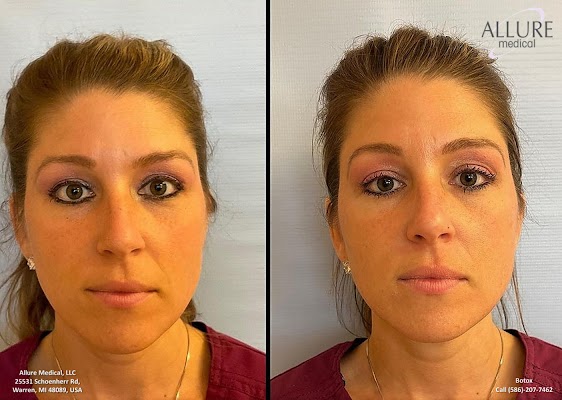
A software project manager came in with a heavy-feeling forehead after prior treatments elsewhere. Photographs showed low-set brows and deep corrugator activity. We skipped the frontalis on the first visit, treated the glabella complex with conservative units, and added two tiny lateral orbicularis points to reduce eye squinting. At two weeks, her brows sat higher without a single frontalis injection. We then micro-dosed the central frontalis to soften lines, preserving lift. She remarked that colleagues stopped asking if she was tired. That is a clean example of how to avoid the frozen look and forehead heaviness by respecting anatomy.
Another patient, a chef, wanted to reduce masseter bulk due to clenching and jaw aches. We used a measured dose on the dominant side and slightly less on the other, acknowledging chewing patterns. He reported less morning tension, no chewing changes, and over months, a subtle contour improvement. He cared less about facial slimming myths and more about function. The therapeutic and aesthetic benefits can align when dosing is precise.
Aftercare that actually changes outcomes
The first four to six hours matter. Remain upright, keep expressions gentle and natural, skip intense workouts. If you must wear a hat, choose a loose fit that does not compress injection points. Clean brushes before applying makeup. Resume your skincare that night, but save acids and retinoids for the next day if the skin feels tender. If swelling appears, a cold compress helps. Small pinpoints fade quickly, but if you bruise, topical arnica or vitamin K creams can speed resolution.
Sleeping position after botox is about avoiding pressure, not because the product travels, but because mechanical force can irritate injection sites. Flatter pillows and supine position for the first night are reasonable. By day two, you can return to routine.
What has truly changed: culture, training, and restraint
Botox treatment evolution is not about a revolutionary molecule. It is about cultural preference for nuance, better training, and a healthy respect for trade-offs. Advanced botox training emphasizes layers and vectors rather than just points on a chart. Patients want normalcy, not erasure. Injectors measure success by how well you emote on a first date or present in a boardroom without the face reading as angry or tired. That shift has raised the bar for choosing a provider. It has also made the work more satisfying for those of us who treat expression as a language, not a flaw to delete.
Is botox worth it under this modern lens? If your goal is to look like yourself on a good day, most days, the answer is often yes. If you believe one visit should freeze time for a year, it will fall short. The sweet spot today lies in the middle: modest doses, thoughtful mapping, and a willingness to refine. That approach earns durable trust, which is the real currency in aesthetics.
Practical cadence for a first-timer
A simple framework helps new patients. Begin with a detailed consult and movement analysis. Start conservatively with a mapped plan that prioritizes the main concern, usually the glabella and perhaps lateral eyes. Skip or minimize frontalis on visit one if your brows are heavy. Return at two weeks for a refinement session with targeted micro-adjustments. Monitor feel and function through a full life cycle of 3 to 4 months. Log any transient eyebrow lift or dip, and bring notes to the next visit. Over two to three cycles, you and your injector will dial in a stable pattern that feels like you.
This path avoids rollercoaster faces, eases anxiety around uneven results, and aligns your rhythm with natural expression. It respects that Botox is a conversation with your muscles over time, not a one-time command.
Final thoughts from the treatment room
The best Botox today is often invisible. Friends say you look rested. Co-workers stop interpreting concentration as anger. You feel lighter in the forehead because muscles no longer fight each other. Those are quiet wins. The science of the molecule has not changed much, but the art around it has matured. When you combine a clear goal, a careful injector, and a patient schedule, you get natural movement, soft expressions, and a renewed comfort in your own face. That is the evolution that matters.